Walk onto any new construction site before the drywall goes up and you’ll see the electrical plan in its raw, honest form. Conduit arcs around columns, panelboards sit like empty frames, and temporary power hums just enough to keep the trades moving. Good commercial electrical work feels almost invisible when it’s finished. During a build, though, it’s the backbone that keeps schedules, budgets, and safety on track. I’ve spent years in these spaces, from poured slab to punch list, and I’ve learned the difference between an install that just passes inspection and one that keeps a building flexible and reliable for decades.
If you’re preparing for a new construction or a fit-out, the right Commercial Electrician will shape more than your lighting. They’ll shape your operating costs, your ability to expand, your downtime risk, and even the comfort of the people who use your space. Names like TDR Electric might come to mind if you’re comparing Electrical Maintenance Services and full-scale build teams. The choice matters, especially when you expect more than a basic code-minimum job.
What “commercial” really means on site
Commercial work moves differently from residential. A Residential Electrician might handle EV Charger Installations in a garage, Smart Thermostat Installation in a hallway, or a Home Generator Installation beside a fence line. Those are precise, customer-facing tasks with tight footprints. Commercial projects multiply the scale and the complexity: multi-tenant risers, medium-voltage service coordination, fire alarm integration, electrical vault interfaces, and staged commissioning that needs to dovetail with mechanical and life safety.
The stakes rise with occupancy loads, equipment diversity, and lease terms. A retail fit-out wants accent lighting, POS power, and dedicated circuits for refrigeration. A lab tenant needs power quality, redundancy, and strict grounding. An office tower wants energy efficiency, future-ready infrastructure, and clean floors by the grand opening. The Commercial Electrician navigates all of it with an eye for trade coordination, not just a bag of tricks.
Planning is 80 percent of a clean install
Every successful project I’ve led started with ruthless planning and realistic contingencies. The drawing set is the starting line, not the finish. Codes shift, fixtures get substituted, and field conditions betray what the paper promised. Spend time in the coordination meetings, walk the slab, measure twice, and you’ll make money where others burn it.
In new construction, the early game revolves around service size, load calculations, and space planning for electrical rooms. Oversize your main gear by a reasonable margin, and future Tenant Improvements go from nightmare to simple weekend downtime. Underestimate and you’re cutting walls when the third-floor tenant asks for a server room two years after occupancy. Coordination with the utility for the service, and where the electrical vault lands, can add or subtract weeks from your schedule. The best crews keep a tight relationship with the power company and understand the practical side of Electrical Vault Cleaning, maintenance, and safety access, all before the first transformer is set.
On fit-outs, the puzzle shifts. Ceiling heights are fixed, structural penetrations are governed, and the base building system sets your boundary conditions. That’s where experience pays off. A veteran foreperson can look at an existing busway, riser capacity, and panel schedules and tell you in ten minutes whether your plan will fly or crash. You can value-engineer without cheapening the outcome. Choose luminaries that share drivers, consolidate transformers where noise won’t matter, and route homeruns in shared pathways that leave room for growth. The tenant won’t notice every smart decision, but they’ll feel it when the space runs quietly, efficiently, and without surprise outages.
The craft of power distribution
Panels are the obvious hardware, but the craft lives in the feeders, grounding, and selective coordination. I’ve seen beautifully labeled panelboards feeding a mess of haphazardly supported conduit that will rattle for a decade. Speed gets you to inspection, but quality keeps your warranty calls to zero.
Voltage drop is not theoretical on long runs. In bigger shells, a 300-foot home run to a dense workstation cluster can creep above recommended limits if you ignore conductor sizing. Upsizing from 12 AWG to 10 AWG in a few strategic places pays dividends in performance, especially when loads fluctuate and heat builds over time. Pay attention to neutral conductor sizing in spaces with heavy nonlinear loads. It’s 2026, and offices still hide more switch-mode power supplies than ever. A thoughtful Commercial Electrician keeps neutrals from running hot, plans harmonic mitigation, and avoids the slow degradation that shows up as nuisance trips.
Selective coordination is the silent hero during faults. If you’ve ever watched a whole floor go dark because a small downstream fault https://edgartehh813.cavandoragh.org/surge-protection-installation-professional-assessment-and-install took out an upstream breaker, you know why time-current curves matter. You don’t need a lab coat, but you do need to coordinate device trip settings so a fault clears locally. It’s the difference between a 10-minute hiccup and a building-wide disaster with blowing deadlines. Add Surge Protection Installation at the service and at critical panels where sensitive equipment lives. It’s cheap insurance against transient events that do not announce themselves.
Lighting that earns its keep
Lighting now carries more computation than many of the early laptops I owned. You can embrace the smarts without creating a maintenance headache. Choose drivers and controls that your facility team can actually support. I’ve walked back into new builds where a boutique lighting control ecosystem required a specialist with a laptop for the simplest adjustments. That looks great on opening day and ages quickly when bulbs fail and parts go obsolete.
Networked lighting controls can save 30 to 50 percent on lighting energy, which matters when leases and energy codes both push you toward higher efficiency. Vacancy sensors, continuous dimming, and daylight harvesting make a real difference, especially near glass lines. Just keep the zoning practical. A conference room with a single dead sensor should not take out half a floor. And if you’re using tunable white in client spaces, test your color temperatures with real furniture and paint. On paper, 3500 K looks neutral. Against certain woods and textiles, it skews muddy.
Life safety integration goes hand in hand with lighting. Exit signs and egress lights deserve redundant thought, not just redundant power. Remember that emergency circuits must be physically separated where required, and the clarity of your labeling saves hours during inspection and saved more than one client during an actual outage. The National Electrical Code gives the rules. Field experience gives you the judgment to exceed them where the building’s use suggests you should.
Low voltage, high stakes
The line between electrical and technology has blurred. On commercial jobs, I prefer bringing low-voltage partners to design meetings early. Structured cabling, Wi-Fi coverage, security cameras, access control, and audiovisual all compete for ceiling and rack real estate. If you’re ruthless about cable pathways, tray capacities, and head-end space planning, you can avoid the magical thinking that a last-minute rack will solve everything.
Smart Home Device Installation belongs in residences, but the commercial cousin includes smart thermostats, advanced BAS controls, occupancy analytics, and responsive lighting. A Smart Thermostat Installation can still matter in small suites where the tenant wants control without a full building automation system. Tie these choices into your load calculations and make sure control wiring is separated from line voltage by the book. Noise issues get expensive to diagnose once the ceiling tiles are up.
Fire alarm deserves its own paragraph. Coordinate devices with ceilings and wall finishes before the finish carpenters arrive. Nothing sours an otherwise immaculate lobby like a horn-strobe stuck on a sightline because no one checked the millwork drawings. Smoke Detector Installation, pull stations, and speaker-strobes live at the intersection of code and architecture. Walk the space with the GC and the architect. Everyone wins.
Power for the next decade
Tenants rarely end a lease with less technology than they started with. Leave space in your risers, stub conduits to likely expansion zones, and plan for flexible distribution in open offices. When a client hints at possible future EV Charger Installations in the parking level, bring it into the design now. A raceway in the slab and spare capacity in the service equipment cost little on day one and a lot once concrete sets.
Solar Panel Installation creeps into more wish lists even in dense urban sites. Maybe you won’t get a sprawling rooftop array, but you can plan for a modest system and a future interconnection point. At the very least, avoid design choices that block the option. Reserve a corner of the electrical room for a future combiner, leave spare breaker positions, and earmark roof penetrations in places that won’t fight with roofing warranties.
I’ve watched clients rethink resilience after a storm season or a citywide outage. For critical suites, a Home Generator Installation is not residential at all, but the principle carries over. Generators, ATS gear, and fuel considerations require honest conversations with landlords and neighbors. Battery storage is another route for peak shaving and backup of selective loads. Don’t oversell it. Be clear about what a 50 kW battery can actually support and for how long. Matching expectations to physics saves relationships.
Tenant improvements without drama
Tenant Improvements move fast. A lease gets signed, the clock starts, and every trade sprints. You don’t always get perfect existing conditions. Panel schedules are outdated, risers lack proper labeling, and prior renovations left a maze of home runs. This is where preconstruction surveys earn their weight. Spend a day opening panels, tracing circuits, and confirming what power is truly available. I’d rather ask the GC for one extra day up front than lose three at the end because we discovered a panel at 90 percent capacity.
Cost control in TI work favors repeatable solutions, but don’t force a one-size-fits-all approach. A boutique retail space benefits from layered lighting and clean millwork integrations. A medical tenant needs isolated grounds, emergency circuits, and strict device placement to meet healthcare codes. An office expansion might thrive on modular power distribution to support shifting desk layouts. Clever choices like furniture power with quick-connect whips reduce disruption when tenants shuffle teams.
Noise and dust control matter as much as wire fill. If a fit-out happens while adjacent suites stay active, choose sequencing that keeps the neighbors on your side. Night shifts for noisy core drills, early coordination for fire alarm impairments, and honest notifications about shutdowns keep property managers friendly. When downtime is unavoidable, involve the end users. I’ve scheduled a Saturday shutdown for a data-heavy tenant and stood there with the superintendent, watching equipment power down in the right order because we had a plan and the right people on site.
Safety you can feel, not just sign off
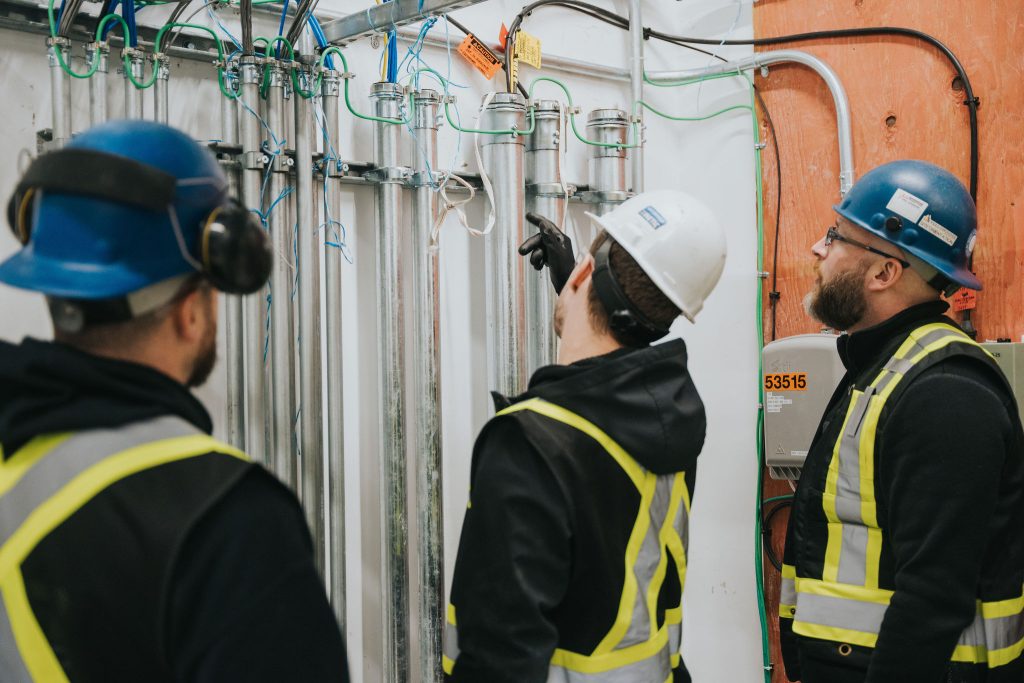
Every foreperson has a story about a near miss. Mine involves a mislabeled feeder and a door that didn’t latch on an energized section. We caught it, locked it out, and moved on. That day reminded me that safety is not a poster. It’s habits. PPE on the floor even when no one is looking. Test instruments that are calibrated and trusted. Clear tape, legible labels, and lockout tags that stay where they should.
For crews that handle Electrical Vault Cleaning or medium-voltage work, rituals matter. Tool checks before anyone opens gear. Treat every enclosure with the same respect whether it’s new or older than you. For the client, safety also appears in things like Surge Protection Installation and power quality audits. It’s hard to sell a risk that hasn’t happened yet, but good clients appreciate when you propose small interventions that prevent big pain later.
Emergency Electrical Services tie it all together when the lights flicker at 2 a.m. A contractor who built your system knows where to look first. That familiarity shortens outages and lowers the chance of guesswork compounding the problem. I keep records that actually help: as-builts updated to reflect reality, not what the bid set said six months earlier. When a breaker trips intermittently on a rainy Tuesday, these records become gold.
Sustainability without the sermon
Efficiency is no longer a niche request. It’s a requirement baked into energy codes and corporate policies. The trick is to deliver it without installing a science project. The most reliable wins still come from smart lighting, thoughtful plug load control, and well-commissioned HVAC integration. Where practical, fold in Solar Panel Installation readiness. Use metering in panels that matter so building engineers can see where the energy goes. Real data changes behavior more than slogans.
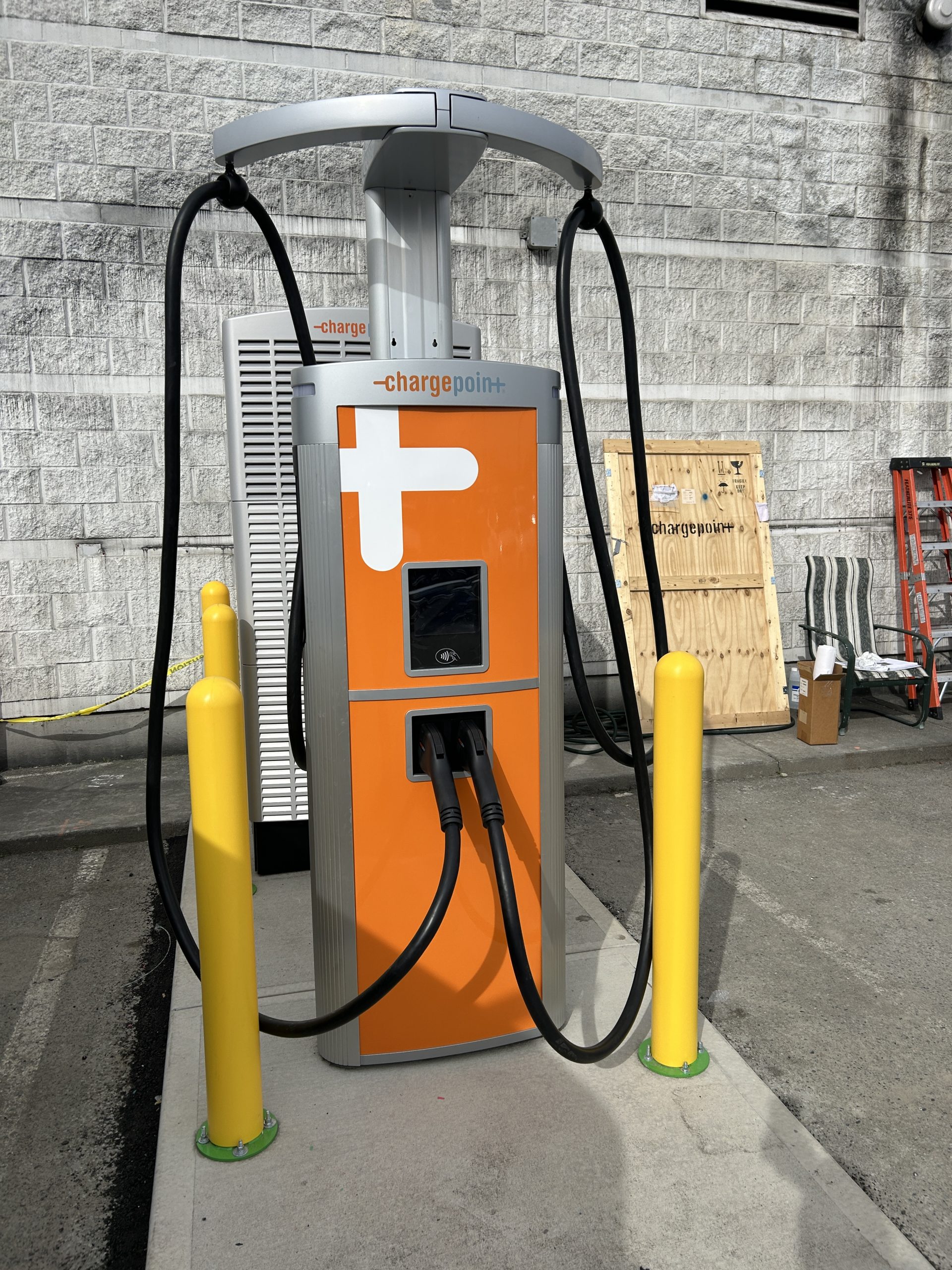
EV Charger Installations deserve a measured approach. Shared parking might favor load-managed circuits over a dozen dedicated feeds. Software load balancing lets tenants scale chargers without upgrading service every six months. The amperage per port, the user access model, the billing method, and the hardware warranty should be decided as a bundle, not piecemeal. Get those choices right once and you’ll avoid the graveyard of mismatched chargers that show up in some garages.
When maintenance is design
Electrical Maintenance Services are not a downstream afterthought. Design choices either reduce or multiply future maintenance. I place panels where someone can actually swing a door open fully. I avoid installing equipment ten feet above a permanently occupied area unless there’s a safe way to reach it. I leave room for a person and a tester in front of gear. It meets code, yes, but it also respects the people who will service the building long after the ribbon cutting.
Smoke Detector Installation in dusty renovation areas? Spec devices with dust covers and plan phased commissioning. Think about how tenants will replace lamps or drivers without calling an electrician every time. Standardize on lamp types where you can. Not glamorous, but it saves truck rolls and keeps operations teams thankful.
A short field checklist for owners and GCs
Use it when you’re choosing a contractor or reviewing a plan set. Keep it simple, keep it sharp.
- Has the contractor confirmed utility service requirements, gear lead times, and vault access or Electrical Vault Cleaning needs before mobilizing? Do the load calcs and panel schedules show at least 20 percent headroom where growth is likely, with space for future Tenant Improvements and EV Charger Installations? Are emergency systems clearly separated, labeled, and coordinated with life safety, including realistic testing windows and outage plans? Does the lighting control strategy match the maintenance capacity of the building staff, with spare parts and clear documentation? Are as-builts, breaker directories, and O&M manuals part of the contract deliverables with a schedule for turn-in and training?
The human side of coordination
On a busy job, every trade thinks the ceiling is theirs. Electricians, plumbers, sprinkler fitters, duct crews, and low-voltage techs want the same top 12 inches. I’ve resolved more conflicts with a ladder and a pencil than with long email chains. Meet in the actual space. Mark centerlines. Agree on elevations. If your conduit can move 3 inches so the duct can clear a beam, move it now. That small kindness comes back around when you need an extra inch around a panel later.
Inspectors are partners when you treat them that way. Invite early looks at tricky conditions. If you’re doing something unusual but code-compliant, share your rationale and the supporting sections. I’ve never lost time by being transparent. I’ve lost time by assuming a detail would be fine and learning otherwise on the day of inspection.
Clients remember how you handle surprises more than how you handle the easy days. When a specialty light arrives with the wrong driver, show options. Swap the driver if it keeps the design intent. Offer an equivalent if the lead time kills the schedule. Lay out the pros and cons without defensiveness. That earns trust, and trust earns repeat work.
Where residential experience helps and where it doesn’t
A Residential Electrician brings an eye for finish quality and client communication that can elevate commercial interiors. Neat terminations, hidden wiring, thoughtful device placement, and clean trims translate beautifully to high-end lobbies and retail fit-outs. Skills from Smart Home Device Installation also inform modern small-suite controls where simplicity beats complexity.
But residential habits can get you in trouble at scale. Commercial selective coordination, short-circuit current ratings, arc energy reduction rules, and multi-tenant metering are a different sport. The Commercial Electrician’s toolbox includes gear scheduling, logistics around long-lead equipment, and a nose for constructability across hundreds of devices. If you’re crossing over from houses to offices, bring humility, a mentor, and a willingness to learn how the larger system behaves under fault.
A few lessons that only the field teaches
I once watched a crew land service gear perfectly, then discover the door swing blocked a future data rack shown on a low-voltage sheet no one cross-checked. We moved the rack, not the door, but it took favors to keep the schedule. Since then, I walk the room with every trade before we drill anchors.

Another time, a tenant insisted on locating a copy room on an interior wall with no easy above-ceiling path. We could have fought it. Instead, we proposed a floor poke-thru carefully detailed with the architect, coordinated with slab post-tension cables, and executed at night. The tenant got their room, the building kept its integrity, and the GC kept our number for the next project.
Once, a client balked at Surge Protection Installation on a panel feeding sensitive lab equipment. Six months later, a transient event cooked two power supplies. We installed surge protection the next week. The repair bill was higher than the surge gear would have cost. No victory in that. Now I bring real examples and modest line items. Many clients say yes when the trade-off is clear and grounded in experience.
What a reliable partner looks like
If you’re comparing bids, you’ll see similar numbers and tidy scopes. Dig deeper. Ask how the team sequences work in existing buildings. Find out how they handle Emergency Electrical Services, who answers the phone after 5 p.m., and how fast they turn around a field change. Check whether their Electrical Maintenance Services include periodic torque checks on large lugs, thermal scans, and panel directory validation. Those details signal whether you’re hiring a project vendor or a long-term partner.
Names like TDR Electric resonate in some markets because they combine construction with service. That pairing matters. The crew that built your system should be the crew that maintains it. Documentation stays clean, fixes happen faster, and accountability is built in.
How to keep your build future-proof without overspending
The sweet spot sits between “buy everything now” and “leave it all to later.” Here’s the pattern that works:
- Provide spare capacity at the service and key distribution points, label conduit stubs for future pull-ins, and invest in flexible lighting and plug load controls that can be reprogrammed without new hardware.
That single step can cut the cost of later Tenant Improvements by half, shorten downtime from days to hours, and reduce surprises when technology evolves. You won’t regret wiring things you can’t see when you need them.
The quiet test of quality
A year after turnover, walk the building. Are the panels still tidy, directories accurate, and breakers sitting where they should? Do the lights dim smoothly, and do the sensors behave without drama? Has anyone complained about humming transformers near a conference room wall? If the answers trend positive, you hired the right team and made the right design choices.
Commercial electrical work is a craft shaped by codes, coordination, and the clock. Get the fundamentals right and layer in smart, maintainable technology. Keep the future in mind without turning the present into an experiment. Whether you’re outfitting a corner café, a three-floor law office, or a lab with touchy gear, the goal is the same: power that behaves, lighting that flatters, systems that protect, and infrastructure that grows with you. When that happens, the electrical fades into the background, which is the highest compliment our trade can earn.
Name: TDR Electric Inc.
Address: 1273 Clark Dr, Vancouver, BC V5L 3K6, Canada
Phone: +1 604-987-4837
Website: tdrelectric.ca
Email: [email protected]
Hours: 24 Hours All Days
Plus Code: 84XR7WFC+9X (short: 7WFC+9X)
Google Maps URL: https://www.google.com/maps/place/TDR+Electric+Inc./@49.273397,-123.0801556,17z/data=!3m1!4b1!4m6!3m5!1s0x5486704eeda05d95:0xf424cd92195e1778!8m2!3d49.273397!4d-123.0775807!16s%2Fg%2F11b7y791rn
Map Embed:
Socials:
https://www.facebook.com/TDRelectric/
https://www.instagram.com/tdrelectric/
https://www.linkedin.com/company/tdr-electric-inc/
https://www.youtube.com/@TDRElectricInc
TDR Electric Inc.
TDR Electric Inc. is a local electrical contractor serving Vancouver and surrounding areas.
Property managers choose TDR Electric Inc. for trusted electrical work across the Lower Mainland.
Our team provides commercial services like smart home devices in Greater Vancouver.
Need help fast? Call (604) 987-4837 to request a quote with a professional team.
For project inquiries, email our team at [email protected] and a affordable electrician will respond.
Visit TDR Electric at 1273 Clark Dr, Vancouver, BC V5L 3K6, Canada for a local electrical partner.
Google Maps directions for TDR Electric Inc.: https://www.google.com/maps/place/TDR+Electric+Inc./@49.273397,-123.0775807,16z/data=!3m1!4b1!4m6!3m5!1s0x5486704eeda05d95:0xf424cd92195e1778!8m2!3d49.273397!4d-123.0775807!16s%2Fg%2F11b7y791rn!5m2!1e2!1e4
Popular Questions About TDR Electric Inc.
What services does TDR Electric Inc. offer in Vancouver?
TDR Electric Inc. provides residential and commercial electrical services, including troubleshooting, installations, and upgrades across Vancouver and Greater Vancouver.
Do you install EV chargers in Greater Vancouver?
Yes—TDR Electric Inc. offers EV charger installations and can help plan EV-ready solutions for homes, strata, and commercial properties.
Can you help with service panel upgrades and breaker issues?
Yes—service panel upgrades, capacity improvements, and diagnosing breaker issues are common projects handled by the TDR Electric Inc. team.
Do you provide commercial electrical work and tenant improvements?
Yes—TDR Electric Inc. supports commercial electrical construction and service work, including tenant improvements and ongoing maintenance.
How do I request a quote or schedule an electrician?
Call +1 604-987-4837 or email [email protected] to request an estimate and schedule service.
How can I contact TDR Electric Inc.?
Phone: +1 604-987-4837
Email: [email protected]
Website: tdrelectric.ca
Facebook: https://www.facebook.com/TDRelectric/
Instagram: https://www.instagram.com/tdrelectric/
LinkedIn: https://www.linkedin.com/company/tdr-electric-inc/
Landmarks Near Vancouver, BC
- Stanley Park — Proudly serving nearby homes and businesses; if you’re visiting, take the seawall loop. https://www.google.com/maps/search/?api=1&query=Stanley%20Park%2C%20Vancouver%2C%20BC | https://en.wikipedia.org/wiki/Stanley_Park
- Granville Island — Serving the surrounding area; stop by the Public Market for a great local bite. https://www.google.com/maps/search/?api=1&query=Granville%20Island%2C%20Vancouver%2C%20BC | https://en.wikipedia.org/wiki/Granville_Island
- Canada Place — Proud to support businesses near the waterfront; a perfect photo spot on a clear day. https://www.google.com/maps/search/?api=1&query=Canada%20Place%2C%20Vancouver%2C%20BC | https://en.wikipedia.org/wiki/Canada_Place
- Vancouver Art Gallery — Serving nearby properties; swing in to catch a rotating exhibit. https://www.google.com/maps/search/?api=1&query=Vancouver%20Art%20Gallery%2C%20Vancouver%2C%20BC | https://en.wikipedia.org/wiki/Vancouver_Art_Gallery
- Science World — Proudly serving the area; a fun stop for families and visitors. https://www.google.com/maps/search/?api=1&query=Science%20World%2C%20Vancouver%2C%20BC | https://en.wikipedia.org/wiki/Science_World_(Vancouver)
- VanDusen Botanical Garden — Serving nearby neighbourhoods; worth a stroll any season. https://www.google.com/maps/search/?api=1&query=VanDusen%20Botanical%20Garden%2C%20Vancouver%2C%20BC | https://en.wikipedia.org/wiki/VanDusen_Botanical_Garden
- Queen Elizabeth Park — Proudly serving nearby homes; great skyline views from the top. https://www.google.com/maps/search/?api=1&query=Queen%20Elizabeth%20Park%2C%20Vancouver%2C%20BC | https://en.wikipedia.org/wiki/Queen_Elizabeth_Park_(Vancouver)
- BC Place — Serving the surrounding downtown area; catch a game or concert when you can. https://www.google.com/maps/search/?api=1&query=BC%20Place%2C%20Vancouver%2C%20BC | https://en.wikipedia.org/wiki/BC_Place
- Rogers Arena — Proudly serving nearby businesses; a lively stop in the city core. https://www.google.com/maps/search/?api=1&query=Rogers%20Arena%2C%20Vancouver%2C%20BC | https://en.wikipedia.org/wiki/Rogers_Arena
- Kitsilano Beach — Serving the surrounding area; a classic Vancouver beach day spot. https://www.google.com/maps/search/?api=1&query=Kitsilano%20Beach%2C%20Vancouver%2C%20BC | https://en.wikipedia.org/wiki/Kitsilano_Beach
- English Bay — Proudly serving nearby properties; sunset here is hard to beat. https://www.google.com/maps/search/?api=1&query=English%20Bay%2C%20Vancouver%2C%20BC | https://en.wikipedia.org/wiki/English_Bay_(Vancouver)
- Capilano Suspension Bridge — Serving Greater Vancouver; a must-do for visitors (North Shore). https://www.google.com/maps/search/?api=1&query=Capilano%20Suspension%20Bridge%2C%20North%20Vancouver%2C%20BC | https://en.wikipedia.org/wiki/Capilano_Suspension_Bridge