Electric problems rarely announce themselves politely. They smolder. They buzz. They trip at the worst moment, usually when your kitchen is full of guests or your production line is finally running ahead of schedule. The gap between a non-event and a very expensive one is almost always maintenance. Electrical maintenance services aren’t glamorous, but neither is an unexpected outage at 2 a.m. while your backup systems scramble and your team scrapes for flashlights.
I’ve walked into dim basements with damp air and rust-scabbed panels that had been “fine for years,” then spent the next hour explaining why those cheap extension cords had just become space heaters. I’ve also walked through spotless electrical rooms where a Commercial Electrician had logged torque checks and thermal images with the obsession of a pit-crew chief. Guess which buildings sleep better.
This is a guide to the maintenance that keeps lights on, loads balanced, and electricians bored. It folds in what we do for homes, offices, and industrial spaces, with enough detail to help you know what to ask for and what to avoid. Whether you call TDR Electric or another pro, the playbook is similar: find heat, find moisture, find looseness, and deal with it before it deals with you.
Downtime has a heartbeat and a price tag
When a circuit trips in a house, it’s an inconvenience. When a main breaker trips at a commercial bakery at 4 a.m., ovens cool, dough proofs too long, and the day’s schedule unravels. The cost stacks in layers: lost production, overtime for recovery, spoiled materials, and sometimes damaged equipment when power returns unevenly.
On the residential side, the stakes skew to safety and comfort. A bad neutral can fry every smart TV on a circuit in a blink. A missing or failed GFCI near a sink can turn a harmless splash into a lethal incident. Good maintenance isn’t just about preventing outages. It’s about keeping small annoyances from turning into thousand-dollar equipment losses or medical emergencies.
What “electrical maintenance” actually includes
Maintenance sounds abstract, so let’s put names to it. A real maintenance visit is not a quick glance at the panel followed by a fresh sticker on the door. A Residential Electrician or Commercial Electrician with their head screwed on will tailor the scope to your building’s age, load profile, and environment, but several building blocks repeat.
Thermal scanning. Infrared cameras are worth their weight in replacement breakers. Loose lugs and overloaded conductors run hot long before they fail. A simple scan finds them. I’ve seen a 45-degree temperature delta at a feeder lug that still looked “tight” by eye. After a torque correction, that delta dropped to single digits and the smell of warm insulation disappeared.
Torque verification. Metal expands and contracts. Vibrations from large mechanical equipment loosen connections. A torque wrench or torque screwdriver isn’t fancy, it’s necessary. Manufacturers publish torque specs for a reason. Tighten without regard for spec and you risk crushing strands or splitting a lug. Leave it loose and you invite arcing.
Cleaning and environment. Dust, moisture, and pests are the three horsemen of panel failure. For commercial buildings that use underground service, Electrical Vault Cleaning falls into this category. A wet vault is a short circuit waiting for a storm. For homes, I’ve opened panels where drywall dust mingled with spider webs and a mouse nest. A light vacuuming, a moisture check, and some weather sealing are unglamorous steps that change outcomes.
Protection testing. GFCI and AFCI devices fail silently. If your GFCI never trips when you press test, it hasn’t been saving you. Smoke Detector Installation followed by regular testing prevents tragedy. Surge Protection Installation does nothing until it does everything, and then it quietly sacrifices itself; maintenance is what confirms it’s still intact or needs replacement after a spike.
Labeling and documentation. Clear circuit labels prevent panic. A line that reads “West office receptacles - copier” will save minutes that matter when you’re isolating a fault. Maintenance teams that log readings, breaker models, panel serials, and modifications tend to catch trends early. Sloppy records hide problems.
Load measurement and balance. Clamped amperage readings across phases expose imbalances. On three-phase panels, a phase pulling 35 percent more than the others turns into heat, nuisance trips, and accelerated wear. In homes, adding an EV Charger Installation can change the load landscape overnight. Smart planning with load calculations keeps you within the service capacity and local code.
The predictable culprits that cause breakdowns
If electrical failures were all mysteries, maintenance would be guesswork. Most are repeat offenders with familiar motives: heat, looseness, moisture, corrosion, and unplanned demand.
Breaker fatigue. Breakers are not immortal. High ambient temperature and repeated trips erode their performance. A 20-amp breaker that routinely sees 18 or 19 amps will be brittle soon. If your panel feeds a bank of servers that run close to maximum draw, plan for earlier replacement and keep spares.
Connections that look fine but aren’t. Aluminum conductors need antioxidant and proper compression. Mixed metals without proper lugs invite galvanic corrosion. Multi-wire branch circuits need shared handle ties or double-pole breakers so you don’t open a neutral under load. I’ve seen more scorched neutral bars from that mistake than I care to count.
Water is patient. Roof leaks find conduit. Landscape irrigation mist drifts into outdoor subpanels. In coastal areas, salt air eats terminations. Once moisture enters, corrosion amplifies resistance, which makes heat, which invites arcing. A few dollars of weatherproof fittings and periodic checks pay back many times over.
Tenant Improvements without electrical foresight. Office build-outs move walls, add copy rooms, and shift loads, sometimes without calling a Commercial Electrician until inspection day. The original design had headroom for a dozen cubicles, not a podcast studio and four rows of sit-stand desks. A maintenance visit after Tenant Improvements validates that what looked fine on paper runs fine in real life.
DIY enthusiasm. The internet says you can backfeed a panel with a generator using a “suicide cord.” The fire department disagrees. Home Generator Installation needs transfer equipment that isolates utility power. Improvised backfeeds injure lineworkers and burn houses. Maintenance is often when these hacks get found and fixed before they cause headlines.
How often should maintenance happen?
Different buildings deserve different calendars. There’s no virtue in over-servicing, but the price of under-servicing is paid in emergencies.
For homes with modern wiring and average loads, a two to three year check makes sense, with Smoke Detector Installation checks and GFCI tests more often. Add an EV charger, sauna, or large workshop equipment, and your calendar tightens. If you’ve recently had a Solar Panel Installation, schedule a follow-up inspection after the first seasonal temperature swing to recheck torque on terminations and confirm the inverter’s monitoring is logging correctly.
For commercial spaces, the cadence depends on load density and environment. Office floors with LED lighting and well-distributed receptacles can often run annual checks. Restaurants, data rooms, and manufacturing have hotter, greasier, dustier, or more vibration-prone conditions. Biannual inspections save them from weekend emergencies. If your building includes an electrical vault or switchgear exposed to traffic and weather, you’ll want Electrical Vault Cleaning and switchgear inspection at least annually, and after flood events or heavy storms.
Emergency Electrical Services are the pricey way to discover you needed maintenance. If you’ve had more than one unplanned outage in a year, your schedule is already telling you to move from reactive to proactive.
Smart devices and their upkeep
Smart Home Device Installation is fantastic when it works and infuriating when it doesn’t. The maintenance layer is often overlooked. Smart Thermostat Installation, smart switches, and connected panels rely on firmware, Wi-Fi stability, and proper neutrals. Firmware updates improve safety features and load-shedding logic. A maintenance tech with the right apps and patience will ensure devices speak to each other, run on secured networks, and don’t drift into zombie states after power blips.
In commercial buildings, networked lighting controls and submetering pay dividends only when someone checks the data. I’ve watched an office argue about high bills while a scheduling profile held every light at full brightness all weekend. A half-hour with the control software and a brief walkthrough on a Friday evening cut their lighting load by 25 percent.
Solar and EV: clean power, real world quirks
Solar Panel Installation and EV Charger Installations change the electrical profile of a property. They also introduce new failure points if ignored.
Solar arrays need clean conduits, tight DC connectors, intact roof penetrations, and inverter logs reviewed for faults. Hot spots on connectors can cook without visible signs on the roofline. A thermal scan during peak sun and a visual check after storms catch problems early. If snow or dust is a seasonal issue, you may see a performance drop long before a complete fault. Good maintenance watches the curve, not just the crater.
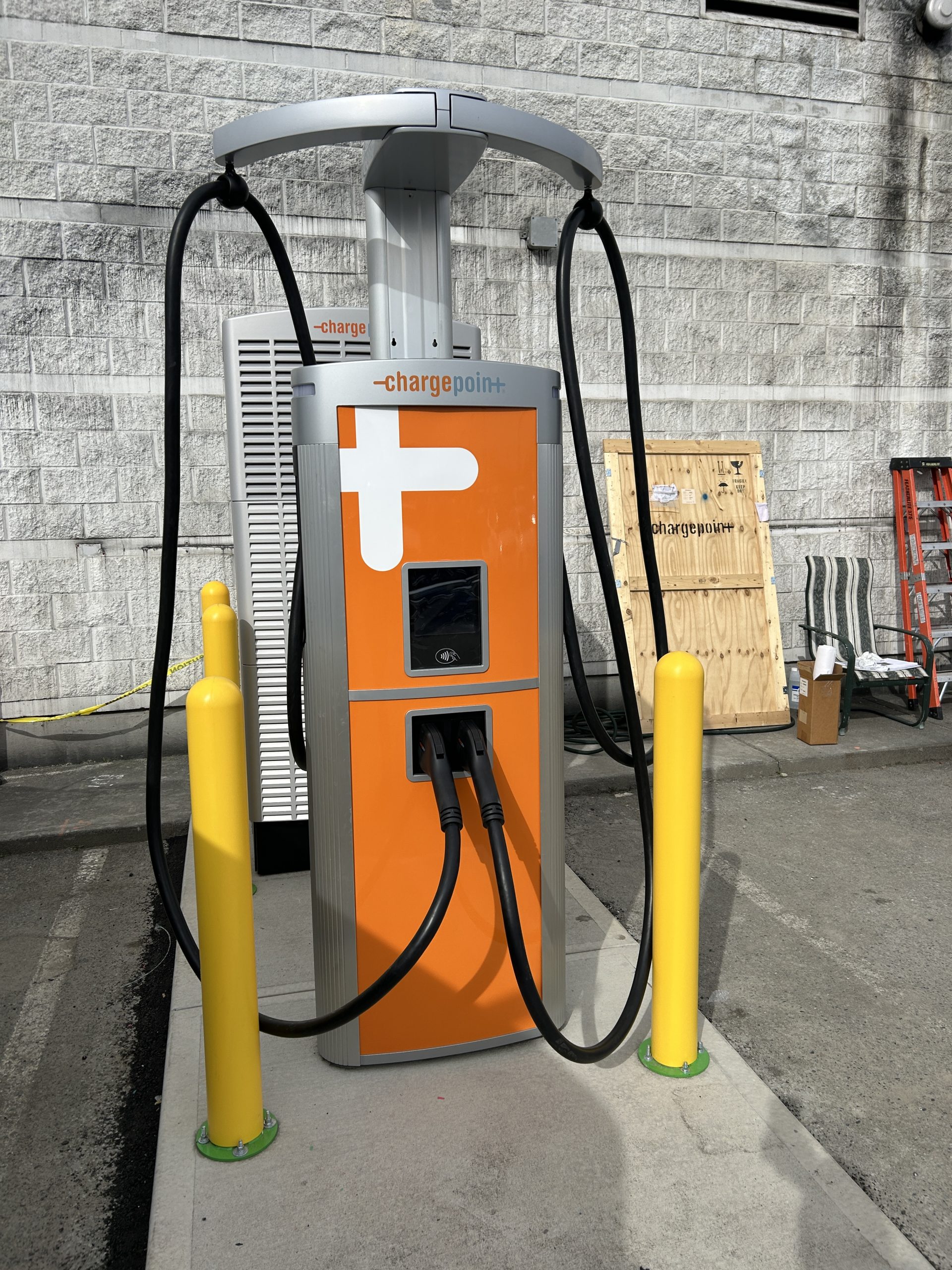
EV chargers, especially higher amperage units, stress panels that were never designed for them. An assessment should include a load calculation that accounts for worst-case scenarios, then options like load sharing, demand management, or a service upgrade. After installation, maintenance means checking conductor temperature during a long charge, verifying ground integrity, and confirming firmware stays current. I’ve seen chargers that throttled themselves to half-speed after a software update, leaving owners to wonder why charging “felt slow.” A quick setting change fixed it, but only because someone looked.
Generators, transfer switches, and the day the lights go out
Home Generator Installation and commercial gensets are insurance policies that gather dust until the emergency. Maintenance is the premium you pay to make them worth more than the brochure.
Transfer switches need exercise. Contacts oxidize. A monthly or quarterly test run, even for ten minutes, keeps mechanical parts honest and alerts you to battery or fuel issues. For natural gas units, gas pressure checks under load are smart. For diesel, fuel polishing and periodic load banking keep wet stacking and carbon buildup at bay. Don’t wait for the storm to discover your generator throws an overcrank fault because a critter turned the enclosure into a studio apartment.
Surge protection is quiet heroism
Surge Protection Installation is one of the least visible, most impactful line items in a maintenance plan. At the service entrance, a good Type 1 or Type 2 device shaves the top off utility spikes and lightning-induced transients. Downstream, point-of-use protection shields sensitive equipment. After a surge event, these devices may still show a happy light while their internals are half-spent. A tech with a multimeter and the manufacturer’s guidance can tell you if replacement is due. If your neighborhood sees frequent outages or you run sensitive equipment like medical devices or lab gear, layered protection is cheap sanity.
Safety devices that age quietly
Smoke detectors expire. The plastic can yellow and crack, but the sensor dies long before that. Ten years is a typical limit, sometimes less for combination units. Carbon monoxide detectors vary, but five to seven years is common. Your maintenance cycle should log install dates, test functions with spray cans or tester buttons, and swap units before they go senile. For commercial properties, ensure audible and visual alarms still meet criteria in every occupied area, especially after Tenant Improvements that change layouts.
What a maintenance visit feels like when done right
You can tell within five minutes if a tech knows their craft. They’ll start by listening. What circuits trip? What changes happened recently? Any smells or sounds at specific times? Then they’ll tour equipment with purpose. Panels opened, deadfronts carefully set aside, photos taken. The torque wrench comes out, then the thermal camera. They’ll clamp conductors and jot readings. They’ll ask for access to the electrical vault or rooftop gear. If you’ve had Smart Home Device Installation, they may ask for app logins or to join a guest network to verify device health.
Expect a short on-the-spot list of urgent fixes, a medium list of recommended corrective actions, and a longer list of watch items. A good team, like TDR Electric or any conscientious provider of Electrician Services, will explain trade-offs: why a breaker swap now is cheap compared to a panel replacement later, why moving a microwave to another circuit solves nuisance trips, and why your EV charger wants a service upgrade if you plan to add a sauna.
The maintenance schedule that actually works
Here’s a concise pattern that covers most properties without wasting effort:
- Semiannual visual and thermal inspection for commercial spaces with higher loads or harsh environments; annual for typical offices and common areas. Biennial residential panel check, tightened to annual if you add EV, solar, or large heat loads like spas or workshops. Monthly or quarterly generator test runs with transfer switch operation, logged by date and run time. Annual testing of GFCI/AFCI, verification of Smoke Detector Installation dates, and replacement planning for units approaching end of life. Post-project commissioning check after any Tenant Improvements, Solar Panel Installation, or major equipment changes to verify load balance and device settings.
Case notes from the field
A downtown café had three equipment failures in six months. First a refrigerator control board died after a thunderstorm. Then lights flickered on rainy days. Finally, the espresso machine tripped the breaker twice during the morning rush. A quick maintenance visit found water intrusion through a compromised conduit seal over the back entrance, corrosion on a neutral bar, and a missing whole-building surge device. We replaced the corroded hardware, sealed the conduit, installed surge protection, and redistributed a few loads. The system went quiet, and so did the frantic calls.
In a townhouse community, a rash of nuisance AFCI trips had residents ready to rip them out. The culprit was noncompliant plug-in LED strips with drivers that emitted electrical noise. We swapped the worst offenders, updated a batch of older AFCI breakers to a model with better filtering, and tightened a handful of neutral terminations. Trips fell from weekly to rare, and the board stopped contemplating illegal workarounds.
A manufacturing client scheduled Electrical Vault Cleaning after a minor flood, figuring it was good housekeeping. The cleaning crew uncovered a hairline crack in a current transformer and a set of CT wiring splices that had wicked in moisture. The potential for metering errors and relay misoperation was real. Replacements went in the same week, and the plant avoided what could have been a very confusing outage.
Maintenance for future you
Electrical systems age like athletes. They need care, and they punish neglect. Adding new loads without revisiting the plan is like running a marathon in dress shoes. From Smart Thermostat Installation to Home Generator Installation, every upgrade changes the picture. Maintenance puts the pieces back into a coherent whole and verifies that protective layers stack correctly.
If you’re responsible for a building, set a reminder and call a pro to map out a plan. If you’re a homeowner, schedule a check after big changes like an EV Charger Installation or a kitchen remodel. If you run a business, fold maintenance into operations the way you do fire inspections and HVAC filter changes. And when you do call, look for an Electrical Maintenance Services provider who brings tools, records details, and speaks plainly. The right partner, whether it’s TDR Electric or another qualified team, doesn’t try to dazzle you with jargon. They make your stuff work, keep it safe, and reduce surprises.
A few myths worth retiring
“Everything is fine, the breakers never trip.” Breakers that never trip may be living a quiet life, or they may be oversized, mislabeled, or stuck. A trip-free week proves nothing.
“New buildings don’t need maintenance.” New is not the same as well-commissioned. I’ve tightened lugs on brand-new gear that came from the factory at the low end of spec and loosened after transit. I’ve labeled circuits from scratch in buildings that somehow opened with numbers only a mystic could love.
“Whole-home surge protection makes plug-in strips unnecessary.” Layered protection is the point. The service device protects against big swings. Local protection clamps the last mile near electronics. Keep both.
“Solar maintains itself.” Panels are hardy, but inverters, connectors, roof penetrations, and monitoring systems all benefit from eyes and hands. Snow melt patterns can hide hot spots. Critters love warm inverters.
“Smart means set-and-forget.” Smart means software. Software means updates and settings. Your lighting system can get amnesia after a power blip. Someone has to keep it honest.
What to look for in a provider
Gauge an Electrician Services team by how they approach risk and documentation. Do they carry a thermal camera, a calibrated torque tool, and a clamp meter, or just a flashlight and a grin? Will they share a written report with photos, temperature deltas, torque confirmations, and a prioritized action list? Can they handle both Residential Electrician and Commercial Electrician needs, including EV Charger Installations, Solar Panel Installation nuances, and Emergency Electrical Services if something pops off-hours? If they can talk about Electrical Vault Cleaning with the same fluency as Smart Home Device Installation, you’ve likely found adults in the room.
Ask about response times and stocking. If your building uses a specific breaker https://johnnyyohd978.wpsuo.com/comprehensive-electrical-maintenance-services-for-vancouver-properties line, do they carry a few spares or have quick access? If you run a critical site, do they offer maintenance contracts with scheduled visits and priority service? A smooth partnership means when you call at midnight, you’re not explaining your setup from scratch.
Why maintenance lowers your blood pressure
The best maintenance program makes your electrical system uninteresting. No burnt coffee while you wait for the breaker to cool. No electrician crouched behind a panel while the reception area sweats. No surprise when the generator doesn’t start on the only night you need it. Instead, you get a quiet cadence of quick visits, small fixes, and a growing pile of non-events.
Downtime is loud. Prevention is quiet. Choose quiet.
Name: TDR Electric Inc.
Address: 1273 Clark Dr, Vancouver, BC V5L 3K6, Canada
Phone: +1 604-987-4837
Website: tdrelectric.ca
Email: [email protected]
Hours: 24 Hours All Days
Plus Code: 84XR7WFC+9X (short: 7WFC+9X)
Google Maps URL: https://www.google.com/maps/place/TDR+Electric+Inc./@49.273397,-123.0801556,17z/data=!3m1!4b1!4m6!3m5!1s0x5486704eeda05d95:0xf424cd92195e1778!8m2!3d49.273397!4d-123.0775807!16s%2Fg%2F11b7y791rn
Map Embed:
Socials:
https://www.facebook.com/TDRelectric/
https://www.instagram.com/tdrelectric/
https://www.linkedin.com/company/tdr-electric-inc/
https://www.youtube.com/@TDRElectricInc
TDR Electric Inc.
TDR Electric Inc. is a experienced electrician serving Greater Vancouver.
Homeowners choose TDR Electric for local electrical work across Greater Vancouver.
Our team provides commercial and residential services like electrical troubleshooting in Vancouver.
Looking to book service? Call (604) 987-4837 to book an electrician with a professional team.
For service requests, email [email protected] and a experienced electrician will respond.
Find TDR Electric Inc. at 1273 Clark Dr, Vancouver, BC V5L 3K6, Canada for a highly rated electrical partner.
Google Maps directions for TDR Electric: https://www.google.com/maps/place/TDR+Electric+Inc./@49.273397,-123.0775807,16z/data=!3m1!4b1!4m6!3m5!1s0x5486704eeda05d95:0xf424cd92195e1778!8m2!3d49.273397!4d-123.0775807!16s%2Fg%2F11b7y791rn!5m2!1e2!1e4
Popular Questions About TDR Electric Inc.
What services does TDR Electric Inc. offer in Vancouver?
TDR Electric Inc. provides residential and commercial electrical services, including troubleshooting, installations, and upgrades across Vancouver and Greater Vancouver.
Do you install EV chargers in Greater Vancouver?
Yes—TDR Electric Inc. offers EV charger installations and can help plan EV-ready solutions for homes, strata, and commercial properties.
Can you help with service panel upgrades and breaker issues?
Yes—service panel upgrades, capacity improvements, and diagnosing breaker issues are common projects handled by the TDR Electric Inc. team.
Do you provide commercial electrical work and tenant improvements?
Yes—TDR Electric Inc. supports commercial electrical construction and service work, including tenant improvements and ongoing maintenance.
How do I request a quote or schedule an electrician?
Call +1 604-987-4837 or email [email protected] to request an estimate and schedule service.
How can I contact TDR Electric Inc.?
Phone: +1 604-987-4837
Email: [email protected]
Website: tdrelectric.ca
Facebook: https://www.facebook.com/TDRelectric/
Instagram: https://www.instagram.com/tdrelectric/
LinkedIn: https://www.linkedin.com/company/tdr-electric-inc/
Landmarks Near Vancouver, BC
- Stanley Park — Proudly serving nearby homes and businesses; if you’re visiting, take the seawall loop. https://www.google.com/maps/search/?api=1&query=Stanley%20Park%2C%20Vancouver%2C%20BC | https://en.wikipedia.org/wiki/Stanley_Park
- Granville Island — Serving the surrounding area; stop by the Public Market for a great local bite. https://www.google.com/maps/search/?api=1&query=Granville%20Island%2C%20Vancouver%2C%20BC | https://en.wikipedia.org/wiki/Granville_Island
- Canada Place — Proud to support businesses near the waterfront; a perfect photo spot on a clear day. https://www.google.com/maps/search/?api=1&query=Canada%20Place%2C%20Vancouver%2C%20BC | https://en.wikipedia.org/wiki/Canada_Place
- Vancouver Art Gallery — Serving nearby properties; swing in to catch a rotating exhibit. https://www.google.com/maps/search/?api=1&query=Vancouver%20Art%20Gallery%2C%20Vancouver%2C%20BC | https://en.wikipedia.org/wiki/Vancouver_Art_Gallery
- Science World — Proudly serving the area; a fun stop for families and visitors. https://www.google.com/maps/search/?api=1&query=Science%20World%2C%20Vancouver%2C%20BC | https://en.wikipedia.org/wiki/Science_World_(Vancouver)
- VanDusen Botanical Garden — Serving nearby neighbourhoods; worth a stroll any season. https://www.google.com/maps/search/?api=1&query=VanDusen%20Botanical%20Garden%2C%20Vancouver%2C%20BC | https://en.wikipedia.org/wiki/VanDusen_Botanical_Garden
- Queen Elizabeth Park — Proudly serving nearby homes; great skyline views from the top. https://www.google.com/maps/search/?api=1&query=Queen%20Elizabeth%20Park%2C%20Vancouver%2C%20BC | https://en.wikipedia.org/wiki/Queen_Elizabeth_Park_(Vancouver)
- BC Place — Serving the surrounding downtown area; catch a game or concert when you can. https://www.google.com/maps/search/?api=1&query=BC%20Place%2C%20Vancouver%2C%20BC | https://en.wikipedia.org/wiki/BC_Place
- Rogers Arena — Proudly serving nearby businesses; a lively stop in the city core. https://www.google.com/maps/search/?api=1&query=Rogers%20Arena%2C%20Vancouver%2C%20BC | https://en.wikipedia.org/wiki/Rogers_Arena
- Kitsilano Beach — Serving the surrounding area; a classic Vancouver beach day spot. https://www.google.com/maps/search/?api=1&query=Kitsilano%20Beach%2C%20Vancouver%2C%20BC | https://en.wikipedia.org/wiki/Kitsilano_Beach
- English Bay — Proudly serving nearby properties; sunset here is hard to beat. https://www.google.com/maps/search/?api=1&query=English%20Bay%2C%20Vancouver%2C%20BC | https://en.wikipedia.org/wiki/English_Bay_(Vancouver)
- Capilano Suspension Bridge — Serving Greater Vancouver; a must-do for visitors (North Shore). https://www.google.com/maps/search/?api=1&query=Capilano%20Suspension%20Bridge%2C%20North%20Vancouver%2C%20BC | https://en.wikipedia.org/wiki/Capilano_Suspension_Bridge